
Small Towns and Rural Regions That Pay Remote Workers to Move There: 2026 Guide

If you’ve ever daydreamed about packing up your laptop, moving somewhere quieter, and actually getting paid to do it, 2026 might be your year. Across the world, towns that pay remote workers to move are rolling out bigger incentives, simpler applications, and more perks designed to attract people exactly like you—location‑independent professionals, founders, and digital […]
Why Expats Are Leaving—and What It Means for Dubai’s Workforce and Consumer Economy

Introduction Expats are leaving Dubai as regional conflict, safety concerns, and economic uncertainty reshape the city’s long‑standing reputation as a stable global hub. The departures are already affecting Dubai’s workforce, consumer spending, and business confidence—critical pillars of an economy where nearly 90% of residents are foreign workers. For international entrepreneurs and digital nomads, understanding why […]
AI‑Powered Nomadism: How Automation Is Transforming Remote Work in 2026

Artificial intelligence has become the defining force behind how digital nomads live, work, and build businesses in 2026. What began as a set of convenience tools has evolved into a full ecosystem of automation, predictive analytics, and AI‑driven workflows that fundamentally reshape global mobility. For international entrepreneurs, this shift isn’t optional—it’s a competitive advantage. This […]
The Economics of Slowmadism: How Staying Longer Saves Money and Boosts Business Stability

Slowmadism economics refers to the financial and business advantages digital nomads gain by staying longer in one location. Longer stays reduce housing and travel costs, unlock local pricing, and eliminate the constant expenses of country‑hopping. For entrepreneurs, this stability also improves productivity, supports deeper routines, and creates more predictable revenue. As more countries offer long‑stay […]
Why ASEAN Countries Are Competing for Digital Nomads: Incentives, Taxes, and Lifestyle
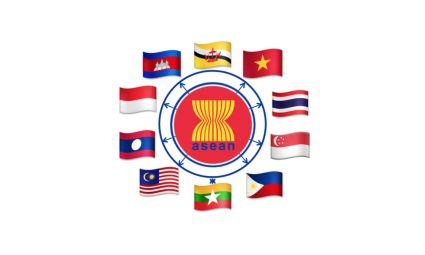
Discover why ASEAN countries are competing for digital nomads, with a breakdown of incentives, tax benefits, and lifestyle advantages across Southeast Asia ASEAN countries are competing for digital nomads by offering a mix of visa incentives, tax advantages, and lifestyle benefits designed to attract long‑stay remote workers. As Southeast Asia pivots toward digital‑economy growth, governments […]
Sri Lanka’s New Digital Nomad Visa Explained: Requirements, Income Rules, and Stay Limits
Learn the full requirements for Sri Lanka’s new Digital Nomad Visa, including income rules, eligibility criteria, stay limits, and what remote workers need to prepare before applying Sri Lanka has officially entered the global competition for remote workers with its newly launched Digital Nomad Visa (DNV) — a one‑year, renewable residence visa designed for remote […]
How Spain’s 2026 Regularization Affects Digital Nomads: Residency, Taxes, and Remote Work
Spain’s 2026 regularization introduces significant changes for digital nomads, offering legal residency and work authorization. This impacts tax residency, social security obligations, and business operations. Entrepreneurs should act promptly on documentation, understand tax implications, and adapt plans to navigate the evolving landscape effectively. Priority is on maintaining legal status and compliance.
How Thailand’s New DTV Makes 5‑Year Residency Possible for Digital Nomads
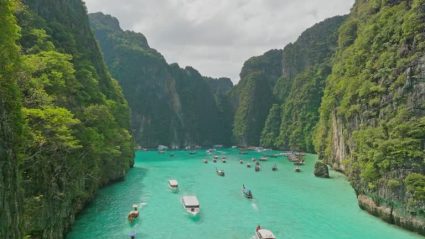
Thailand’s Destination Thailand Visa (DTV) gives digital nomads a 5‑year, multiple‑entry route with 180‑day stays Thailand’s new Destination Thailand Visa opens a practical pathway for digital nomads and international entrepreneurs to secure long‑term, multiple‑entry residency without immediately committing to permanent immigration. The DTV centers on extended stays (up to 180 days per entry) and multi‑year […]
Kazakhstan Neo Nomad Visa vs Central Asia Digital Nomad Visas: Which Remote‑Work Visa Is Best for Entrepreneurs?
Choosing a remote‑work visa in Central Asia? Read our side‑by‑side comparison of Kazakhstan’s Neo Nomad Visa and alternatives to find the best option for entrepreneurs. How to choose: Decision Framework, Checklist and Next Steps Choosing the right remote‑work visa in Central Asia can make or break an entrepreneur’s plans to scale, hire, and operate internationally. […]
Moldova Digital Nomad Visa Guide
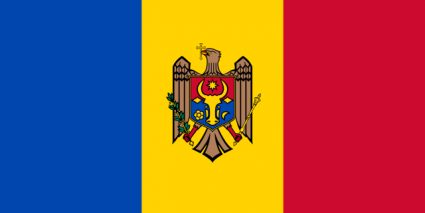
The Moldova digital nomad visa lets remote workers and international entrepreneurs live in Moldova for up to two years while working for foreign employers or running foreign‑registered businesses. The program launched in September 2025 as part of Moldova’s push to attract global talent and stimulate the digital economy. The Moldova digital nomad visa opens a […]
