
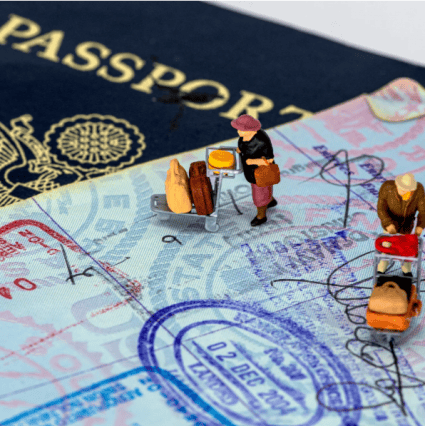
For years, digital nomads and international entrepreneurs gravitated toward a handful of destinations that offered a winning combination of affordability, quality of life, thriving expat communities, and relatively easy entry requirements. Cities like Bali, Lisbon, Mexico City, Chiang Mai, and Medellín became synonymous with the location-independent lifestyle.
But the landscape is changing.
As governments respond to rising housing costs, overtourism concerns, tax compliance challenges, and increasing numbers of long-term visitors, many traditional digital nomad hubs are introducing stricter immigration enforcement and closer scrutiny of visa compliance. What was once considered routine, such as frequent border runs, repeated tourist visa renewals, or extended stays under loosely enforced rules, is becoming more difficult.
For digital nomads and international entrepreneurs, this doesn’t signal the end of global mobility. Instead, it marks a transition toward more sustainable and legally compliant residency strategies.
If you’re searching for the best alternatives to digital nomad hotspots, now is the time to explore emerging destinations that actively welcome remote workers and globally mobile entrepreneurs.
Why Popular Digital Nomad Hubs Are Tightening Restrictions
The surge in remote work after the pandemic accelerated migration to desirable destinations around the world. While this brought economic benefits, it also created challenges for local governments and communities.
Several factors are contributing to increased immigration scrutiny:
Housing Affordability Concerns
In many popular destinations, local residents have expressed concerns about rising rents and housing shortages. Large inflows of higher-earning foreign workers can place pressure on housing markets, especially in cities with limited supply.
Tax Compliance and Regulatory Enforcement
Governments are becoming more sophisticated in tracking long-term visitors and ensuring compliance with taxation and immigration regulations. Authorities increasingly expect remote workers to utilize appropriate visas rather than relying indefinitely on tourist status.
Overtourism and Infrastructure Pressure
Popular digital nomad destinations often face pressure on transportation systems, public services, and community infrastructure. As visitor numbers increase, governments may implement new measures to better manage long-term stays.
Political Demand for Greater Oversight
Immigration policy remains a politically sensitive issue in many countries. Increased enforcement often reflects broader policy objectives related to border management and economic planning.
For entrepreneurs and remote professionals, the most important takeaway is simple: relying on gray-area residency strategies is becoming increasingly risky.
The Shift Toward Legal Long-Term Mobility
The good news is that many governments recognize the economic value of attracting location-independent professionals.
Rather than discouraging remote workers entirely, many countries are creating dedicated pathways for digital nomads, freelancers, and entrepreneurs.
This shift represents a move away from informal residency practices and toward structured programs that provide legal certainty for both travelers and host countries.
As a result, the smartest alternatives to digital nomad hotspots are often countries that offer clear legal frameworks for remote work.
What Makes a Good Alternative to Traditional Nomad Hubs?
When evaluating potential destinations, digital nomads should look beyond social media popularity and consider long-term sustainability.
The ideal destination typically offers:
- Transparent visa or residency options
- Reasonable cost of living
- Reliable internet infrastructure
- Entrepreneur-friendly business environment
- Stable political and economic conditions
- International connectivity
- Growing remote-work communities
- Favorable tax considerations where applicable
With those criteria in mind, several emerging destinations stand out.
1. Georgia
Georgia has become one of the most attractive destinations for globally mobile entrepreneurs seeking flexibility and simplicity.
Located at the crossroads of Europe and Asia, the country offers a low cost of living, modern infrastructure, and a growing startup ecosystem.
Why entrepreneurs like Georgia:
- Affordable lifestyle
- Strong internet connectivity
- Business-friendly environment
- Easy access to European and Middle Eastern markets
- Established expat and entrepreneur communities
Tbilisi, in particular, has emerged as a hub for founders, freelancers, consultants, and remote professionals looking for an alternative to crowded digital nomad destinations.
2. Malaysia
Malaysia is increasingly gaining attention among remote workers seeking a balance between affordability and modern infrastructure.
Cities such as Kuala Lumpur offer:
- Excellent transportation networks
- Fast internet
- Modern coworking facilities
- International airports with extensive regional connections
- Diverse cultural experiences
Compared with some heavily saturated Southeast Asian hotspots, Malaysia often provides a smoother experience for long-term residents while maintaining a relatively affordable lifestyle.
For entrepreneurs serving international clients, the country’s strategic location within Asia is an added advantage.
3. Uruguay
For digital nomads looking beyond Europe and Asia, Uruguay deserves consideration.
The country offers:
- Political stability
- Strong rule of law
- Reliable infrastructure
- High quality of life
- Growing interest in innovation and entrepreneurship
Montevideo provides an attractive environment for business owners who want South American access without some of the volatility associated with larger regional markets.
While the cost of living may be higher than some alternatives, many entrepreneurs consider the stability worth the premium.
4. Estonia
Estonia continues to position itself as one of the world’s most digital-friendly countries.
The country’s reputation for innovation extends beyond startup culture and into government services, residency programs, and digital infrastructure.
Benefits include:
- Advanced e-government services
- Strong startup ecosystem
- Entrepreneur-friendly environment
- Access to European markets
- Reputation as a technology hub
For founders running global online businesses, Estonia remains one of the most compelling alternatives to digital nomad hotspots that are becoming increasingly restrictive.
5. Albania
Albania is quickly emerging as a favorite among remote workers seeking European lifestyle benefits without the costs associated with more established destinations.
Key advantages include:
- Affordable cost of living
- Scenic coastline
- Improving infrastructure
- Growing international community
- Convenient proximity to major European cities
Many location-independent professionals appreciate Albania’s combination of accessibility, affordability, and lower levels of overcrowding compared with traditional nomad destinations.
6. Paraguay
Paraguay often flies under the radar, but it has become increasingly attractive among entrepreneurs focused on long-term international mobility strategies.
Benefits include:
- Low living costs
- Emerging business opportunities
- Potential residency pathways
- Central location within South America
For entrepreneurs seeking diversification outside mainstream destinations, Paraguay offers intriguing possibilities.
How Entrepreneurs Should Adapt to Increasing Immigration Scrutiny
Rather than chasing loopholes or relying on outdated mobility strategies, successful global entrepreneurs are taking a more structured approach.
Prioritize Residency Planning
View residency as a long-term business decision rather than a short-term travel arrangement. Legal certainty creates stability and reduces disruption.
Diversify Geographic Risk
Avoid becoming overly dependent on a single destination. Maintaining flexibility across multiple regions can help entrepreneurs adapt to policy changes more effectively.
Understand Tax Obligations
Immigration compliance and tax compliance often intersect. Before relocating, entrepreneurs should understand potential residency and tax implications.
Build Local Relationships
Entrepreneurs who engage with local communities, contribute to local economies, and operate transparently often experience smoother integration than those treating destinations as temporary stopovers.
Focus on Sustainable Mobility
The future of digital nomadism is likely to favor individuals who can demonstrate legitimate economic activity, financial self-sufficiency, and compliance with local regulations.
The Future of Digital Nomadism
The era of effortless entry into every popular destination may be fading, but global mobility is far from disappearing.
In fact, digital nomadism is becoming more professionalized. Governments increasingly recognize the economic value of attracting remote workers and entrepreneurs, while simultaneously expecting greater compliance with immigration and taxation rules.
For internationally minded entrepreneurs, this evolution presents an opportunity rather than a setback.
Those who adapt early by pursuing legal residency pathways, diversifying destination choices, and exploring emerging markets will often enjoy more stability, fewer compliance concerns, and greater long-term flexibility.
Final Thoughts
As immigration scrutiny increases in traditional remote-work hubs, entrepreneurs and digital nomads should begin evaluating alternatives to digital nomad hotspots before policy changes affect their mobility plans.
The most attractive destinations of the future may not be the places dominating Instagram feeds today. Instead, they are likely to be countries offering transparent residency frameworks, welcoming business environments, and sustainable long-term opportunities for globally mobile professionals.
The age of easy entry may be ending, but a smarter and more sustainable era of international entrepreneurship is just beginning.
Being a digital nomad makes you nimble enough to navigate the ever changing visa regulations and restrictions. If you’re looking to switch things up, click here to join GWP Insiders today to gain access to insights, resources, and consultations to determine your next move.