
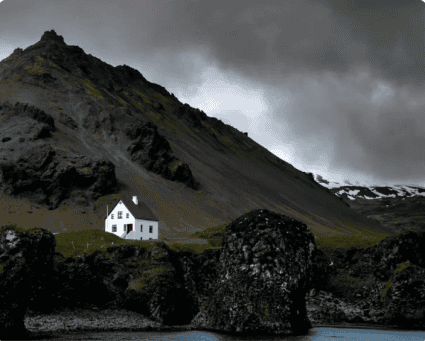
For years, Iceland occupied a special place on the digital nomad dream list. With its dramatic landscapes, world-class safety, high-speed internet, and entrepreneurial culture, the country seemed tailor-made for location-independent professionals. Its remote work visa, introduced in 2020, gave non-European entrepreneurs and remote workers a legal pathway to spend up to six months in one of the world’s most unique destinations.
That pathway no longer exists.
Iceland has officially repealed its long-term visa for remote workers, leaving many entrepreneurs, freelancers, and digital nomads wondering what comes next. While Iceland remains open to visitors and certain categories of residents, the immigration landscape has changed significantly for location-independent professionals.
Here’s what happened, why it matters, and what alternatives remote workers should consider.
What Was Iceland’s Digital Nomad Visa?
Launched in 2020, Iceland’s remote work visa was one of Europe’s most distinctive digital nomad programs. It was designed specifically for non-EEA citizens who worked remotely for foreign employers or operated businesses outside Iceland.
Unlike traditional work permits, the visa allowed eligible applicants to live in Iceland while continuing to earn income from foreign sources. Successful applicants could stay for up to 180 days, making Iceland an attractive option for entrepreneurs and remote professionals seeking an extended stay in the Nordic region.
The program was particularly appealing because it offered:
- A legal framework for remote work
- Access to Iceland’s high quality of life
- A relatively straightforward application process
- A longer stay than the standard Schengen allowance
- The opportunity to experience Nordic living without local employment
Although the visa had relatively high income requirements compared to many competing programs, it attracted a niche audience of established entrepreneurs, consultants, executives, and high-income remote workers.
Why Did Iceland End Its Digital Nomad Visa?
The end of Iceland’s digital nomad visa was not simply an administrative update. It came as part of broader legislative changes affecting the country’s visa framework.
According to sources tracking Iceland’s immigration policies, the legal provision that enabled the long-term visa for remote workers was repealed in 2026 under updated visa legislation. The Directorate of Immigration no longer lists the program, and the former remote work visa application route has been removed.
While Iceland has not publicly positioned the repeal as an anti-nomad measure, several broader trends may help explain the decision:
Immigration Priorities Evolve
Governments regularly reassess immigration programs to ensure they align with national priorities. As visa frameworks mature, categories that serve relatively small applicant pools can be consolidated or eliminated.
Housing Pressures
Like many desirable destinations, Iceland has experienced housing affordability challenges in recent years. Although no official source directly links the repeal to housing concerns, many countries are evaluating how population growth and temporary migration affect local communities.
Administrative Simplification
Immigration systems tend to become more complex over time. Governments frequently streamline categories by removing specialized programs and directing applicants toward broader residence pathways.
What’s clear is that the dedicated route for non-European remote workers no longer exists. Entrepreneurs who once relied on Iceland’s remote work visa must now explore alternative ways to spend extended periods in the country.
What Does Iceland Offer Instead?
The elimination of the digital nomad visa does not mean Iceland has closed its doors entirely. However, available options are more limited and generally serve other purposes.
Standard Schengen Stays
Many travelers from countries such as the United States, Canada, Australia, and the United Kingdom can still visit Iceland under standard Schengen rules for up to 90 days within a 180-day period.
For entrepreneurs looking to spend a summer in Reykjavík or conduct short-term exploratory trips, this may be sufficient.
However, it is not equivalent to the former six-month remote work visa and does not provide a dedicated long-term residence pathway for foreign remote workers.
New Short-Term Residence Permit
Iceland introduced a new short-term residence permit allowing stays of up to 180 days, but the permit is intended for specific groups rather than digital nomads.
Current categories include:
- Visiting close family members
- Artists
- Scientists
- Athletes
Remote work for a foreign employer is not listed among the permit’s intended purposes.
Employment-Based Residence Permits
Individuals who secure employment with an Icelandic employer may still qualify for traditional residence permits tied to local work authorization.
This pathway is suitable for professionals seeking a permanent relocation rather than a nomadic lifestyle.
Student and Family Permits
Longer-term residence remains possible for those pursuing education in Iceland or joining qualifying family members already residing in the country.
EEA and EFTA Citizens
Citizens of EEA and EFTA countries continue to benefit from freedom-of-movement rules, making relocation significantly easier compared with non-European nationals.
Can Digital Nomads Still Live in Iceland?
The answer depends on what “live” means.
If you’re hoping to spend a few months working remotely while enjoying Iceland’s natural beauty, a short-term stay may still be possible under existing travel rules, depending on your nationality and circumstances.
However, if you’re looking for a dedicated, long-term legal framework specifically designed for digital nomads or international entrepreneurs, Iceland no longer provides one.
This distinction is important.
Many countries actively compete for remote workers by offering transparent visa programs, multi-year residency options, and tax incentives. Iceland has effectively stepped away from that growing market segment.
For entrepreneurs whose businesses allow full geographic flexibility, this may make other destinations more attractive.
The Pros and Cons of Choosing Iceland Today
Despite the visa changes, Iceland still offers numerous advantages.
Pros
Exceptional Quality of Life
Iceland consistently ranks highly for safety, environmental quality, and overall well-being.
Reliable Digital Infrastructure
Remote entrepreneurs can generally expect strong internet connectivity and modern infrastructure.
English-Friendly Environment
Many Icelanders speak excellent English, making day-to-day life easier for international visitors.
Access to Nature
Few destinations rival Iceland’s combination of volcanoes, waterfalls, glaciers, mountains, and coastal scenery.
Cons
No Dedicated Digital Nomad Visa
The most significant drawback is the loss of a clear immigration path for foreign remote workers.
High Cost of Living
Iceland remains one of Europe’s most expensive destinations.
Limited Long-Term Flexibility
Entrepreneurs seeking a six-month to two-year base will find fewer options than in competing countries.
Weather Challenges
Winters can be long, dark, and demanding for those accustomed to warmer climates.
Best Alternatives to Iceland for Digital Nomads and Entrepreneurs
If Iceland was on your shortlist primarily because of its former remote work visa, several alternatives deserve consideration.
Portugal
Portugal continues to attract remote workers through dedicated visa pathways, a relatively affordable cost of living, and a large international community.
Spain
Spain’s digital nomad program has become one of Europe’s most talked-about options, particularly for entrepreneurs seeking longer-term residency opportunities.
Croatia
Croatia combines Mediterranean lifestyle appeal with digital nomad-friendly policies and lower living costs than many Western European destinations.
Estonia
As one of the world’s most digitally advanced governments, Estonia remains highly appealing to founders, startup operators, and remote-first entrepreneurs.
Finland and Norway
For those drawn to Nordic culture rather than specifically Iceland, neighboring countries may provide alternative residency routes worth exploring.
What International Entrepreneurs Should Consider Before Choosing Their Next Base
The end of Iceland’s remote work visa highlights an important lesson for location-independent professionals: visa programs can change.
When evaluating a destination, entrepreneurs should look beyond marketing headlines and ask deeper questions.
- Is the immigration framework stable?
- How long can I legally stay?
- Are remote business activities explicitly permitted?
- What tax obligations might apply?
- Is there a pathway to longer-term residency if my plans evolve?
- How does the cost of living compare with other options?
The most successful digital nomads and international founders balance lifestyle considerations with regulatory certainty. A beautiful destination means little if immigration rules become unpredictable or restrictive.
Final Thoughts
Iceland remains one of the world’s most captivating destinations for remote professionals. Its natural beauty, safety, infrastructure, and quality of life continue to make it attractive for entrepreneurs seeking inspiration and adventure.
However, the country has removed the specific visa that once made long-term remote living straightforward for non-European visitors. The repeal of Iceland’s digital nomad visa means entrepreneurs must now rely on other residence pathways or limit their stays to existing visitor rules.
For some, Iceland will remain an incredible short-term destination. For others seeking a long-term international base, countries with active digital nomad and entrepreneur visas may offer greater flexibility and predictability.
As the global competition for remote talent continues to evolve, choosing the right destination is no longer just about scenery. It’s about finding a place where lifestyle, business goals, and immigration policy work together.