
Offshore incorporation can help remote consultants and coaches save on taxes, protect assets, and operate globally with ease. Here’s a quick summary of why it matters and how it works:
- Lower Taxes: Shift to jurisdictions with lower or no taxes on foreign income, potentially reducing tax rates from 43% to single digits (legally).
- Asset Protection: Protect personal assets from lawsuits and creditors by separating them from business activities.
- Global Flexibility: Simplify international transactions, manage multiple currencies, and access better banking systems.
- Privacy: Offshore setups often offer higher confidentiality compared to domestic banking and business structures.
- Market Access: Meet international requirements for contracts and expand into new markets.
Popular Jurisdictions: Anguilla (privacy, fast setup), UAE (tax-free zones, global banking), and Hong Kong (territorial tax system, excellent banking).
Costs: Setup fees range from $1,000–$5,000, with annual maintenance costing $500–$2,000. Compliance is key to avoid penalties, especially for U.S. citizens under FBAR, FATCA, and CFC rules.
Offshore incorporation isn’t just about tax savings – it’s a strategy for global growth and financial security. Ready to explore? Keep reading for step-by-step guidance.
Main Benefits of Offshore Incorporation for Remote Professionals
For remote consultants and coaches, creating an offshore company can bring three key advantages that reshape how they operate. These benefits combine to build a business structure that’s more efficient, secure, and adaptable for global growth.
Tax Reduction Strategies
One of the biggest draws of offshore incorporation is the potential for tax savings. By legally optimizing taxes, professionals can shift their obligations to jurisdictions with lower rates. Some offshore locations use territorial tax systems, meaning they only tax income earned within their borders. For remote professionals earning globally, this can translate into considerable savings.
Tax treaties between countries can also help reduce the burden of double taxation. However, compliance is essential – especially for U.S. citizens, who must report offshore interests on their annual tax returns. Non-compliance can lead to hefty penalties. For example, failing to file required forms could result in fines of up to $15,611 per incident, while deliberate non-filing might incur penalties as high as $156,107 or 50% of the account value, whichever is greater. In some cases, it’s actually wiser to pay a small tax in a well-regarded jurisdiction rather than opt for zero tax in a location that might complicate banking or business operations. These strategies give remote professionals the tools to manage their global finances while staying on the right side of the law.
Asset Protection Methods
Tax savings are just one piece of the puzzle – protecting assets is equally important. Did you know that 52% of civil lawsuits target small to medium-sized businesses, and 75% of small business owners are concerned about frivolous lawsuits [6]? These lawsuits cost small businesses an estimated $20 million annually in out-of-pocket tort liability expenses [6]. Offshore companies can help by creating a clear separation between personal assets and business activities, making it harder for lawsuits or creditors to reach personal wealth [5]. Many offshore jurisdictions don’t recognize U.S. court judgments, offering an extra layer of security.
For even stronger protection, offshore trusts are an option. When assets are transferred to these trusts, they no longer legally belong to the grantor or beneficiary. This setup is especially useful for professionals with valuable intellectual property. By holding such assets through an offshore company, you can keep them separate from personal holdings and reduce exposure to potential claims. The key is to establish these structures before any legal issues arise, as part of a proactive strategy.
Business Flexibility Advantages
Offshore incorporation also brings a level of flexibility that’s ideal for location-independent professionals. This flexibility can lead to smoother operations and a competitive edge. For example, offshore companies simplify global payment processing by enabling transactions across multiple jurisdictions without delays caused by currency controls. Multi-currency IBANs make international transactions even easier.
Take the case of a Canadian software developer who relocated to Portugal. By setting up an offshore company in Anguilla, they were able to invoice clients in North America and Europe while reducing taxes and maintaining compliance through careful tax residency planning.
Offshore structures also make global hiring and scaling simpler. Instead of navigating complicated foreign payroll systems, businesses can streamline their operations. With the global outsourcing market expected to grow from $620.38 billion in 2020 to $904.95 billion by 2027, having the ability to adapt quickly is a real advantage. Offshore banking relationships further enhance this flexibility by offering multi-currency accounts, access to international payment networks, and personalized services.
Costs for setting up an offshore entity are generally manageable too. Formation fees typically range from $1,000 to $5,000, with bank setup fees between free and $1,500, and annual maintenance costs from $500 to $2,000. Offshore companies also provide governance models that can evolve as your business grows, allowing you to scale efficiently without being tied down by rigid domestic corporate rules.
How to Set Up Your Offshore Company: Step-by-Step Process
Setting up an offshore company doesn’t have to be overwhelming. By breaking it down into clear steps, you can complete the process in just 2–4 weeks.
Choosing the Best Jurisdiction
The jurisdiction you choose for your offshore company significantly impacts tax obligations, banking options, and compliance requirements. Start by identifying your priorities – whether it’s reducing taxes, protecting assets, or expanding internationally. These priorities will help guide your decision.
When evaluating jurisdictions, focus on a few key factors. Opt for locations known for stability and a solid reputation to avoid regulatory headaches. Tax policies vary widely: some jurisdictions impose no taxes on foreign-sourced income, while others offer low corporate tax rates supported by treaty networks. Banking infrastructure is another critical aspect – ensure your chosen jurisdiction provides reliable access to international payment systems and multi-currency accounts.
Compliance requirements also differ. Some jurisdictions require minimal annual reporting, while others demand more extensive documentation and local presence. The time it takes to incorporate can range from a few days to several weeks, depending on the jurisdiction’s efficiency and the completeness of your documents.
Several jurisdictions are popular among remote professionals. For instance, the British Virgin Islands, home to over 360,000 registered corporations as of September 2024, offers strong privacy protections and a well-established legal framework. Seychelles, with over 43,000 International Business Companies registered by February 2024, is known for quick incorporation and minimal reporting requirements. Anguilla is another attractive option, offering efficient processing, reasonable costs, and robust privacy measures.
The type of entity you choose – whether an International Business Company (IBC), Limited Liability Company (LLC), or Private Limited Company – depends on your operational needs and your home country’s recognition of the structure.
Preparing Required Documents
Proper preparation of your documents can make the incorporation process smoother. Offshore jurisdictions generally require Know Your Customer (KYC) compliance, which involves verifying the identities of directors, shareholders, and beneficial owners. Start by gathering certified copies of all necessary documents and ensuring they meet formatting requirements.
For personal identification, you’ll need certified copies of your passport or national ID, valid for at least six months beyond your application date. Proof of address, such as a recent utility bill, bank statement, or government correspondence, must display your full name and physical address and be dated within the last three months.
If your offshore company will include corporate shareholders, additional documentation is required. This typically includes certified copies of the Incorporation Certificate, Memorandum of Association, and Registers of Directors and Members for each corporate entity.
A bank reference letter confirming your financial standing is often required and can facilitate banking arrangements. Some jurisdictions may also ask for proof of funds or financial statements, particularly for companies with larger initial capital.
Finally, a business plan or activity description detailing your consulting or coaching services, target markets, and international scope is essential. This helps regulators understand your business operations and supports compliance with local substance requirements.
Here’s a quick summary of essential documents and tips for preparing them:
| Document Type | Description | Preparation Tips |
|---|---|---|
| Identification | Certified copy of passport or national ID valid for at least 6 months | Ensure validity and obtain certified copies |
| Proof of Address | Recent utility bill, bank statement, or government correspondence | Must be dated within the last 3 months |
| Corporate Documents | Incorporation Certificate, Memorandum of Association, Registers of Directors/Shareholders | Verify accuracy and obtain certified copies |
| Business Plan | Description of services, target markets, and international operations | Be specific and clear |
| Bank Reference Letter | Bank confirmation of financial standing and relationship history | Ensure it meets any specified requirements |
Once your documents are ready, the next focus is maintaining compliance after incorporation.
Staying Compliant After Setup
Incorporating your company is just the beginning. Staying compliant is an ongoing responsibility. Annual renewal requirements often include filing returns, paying government fees, and updating registered office information. Missing these deadlines can lead to penalties or even the dissolution of your company.
Economic substance requirements are becoming increasingly important in many offshore jurisdictions. Your company must demonstrate genuine business activity tied to its income. For remote professionals, this means keeping records of client work, invoices, and major business decisions. Some jurisdictions may even require local directors or a minimal physical presence to meet these requirements.
Tax obligations don’t stop at the offshore jurisdiction. For example, U.S. citizens must comply with reporting requirements such as FBAR filings for foreign bank accounts exceeding $10,000 and Form 8938 for foreign financial assets. Controlled Foreign Corporation (CFC) rules may also apply if you own more than 50% of your offshore company, potentially requiring additional tax filings.
Under the Common Reporting Standard (CRS) and FATCA, your offshore company’s financial information might be shared with U.S. tax authorities. To stay compliant, regularly update KYC information and monitor transactions.
Compliance costs are generally manageable. Annual maintenance fees range from $500 to $2,000, and nominee services for added privacy typically cost $300 to $1,000 per year. Legal and tax consulting is highly recommended to help navigate these complexities. These measures not only protect your assets but also ensure smooth international operations.
Good record-keeping is essential for long-term success. Keep detailed documentation of all business activities, financial transactions, and compliance filings. Using digital record-keeping systems can help you stay organized and ensure your records are always accessible.
Best Offshore Locations for Remote Consultants and Coaches
When it comes to offshore incorporation, picking the right jurisdiction can make a huge difference for remote consultants and coaches. The right choice can help you streamline taxes, protect assets, and reduce administrative headaches. Let’s dive into what makes each of these top destinations stand out.
Anguilla: Quick Setup and Strong Privacy
For those who value speed and confidentiality, Anguilla is hard to beat. This island nation offers a tax-neutral environment, meaning no corporate, capital gains, estate, profit, or income taxes on earnings generated abroad. Even better, you can set up an Anguilla International Business Company (IBC) in just 24 hours.
Privacy is another major perk. Anguilla ensures that directors and shareholders remain confidential, with no public disclosure of their identities. Plus, IBCs are exempt from local taxes, which keeps compliance simple and costs low.
UAE: Tax-Free Zones with Business Flexibility
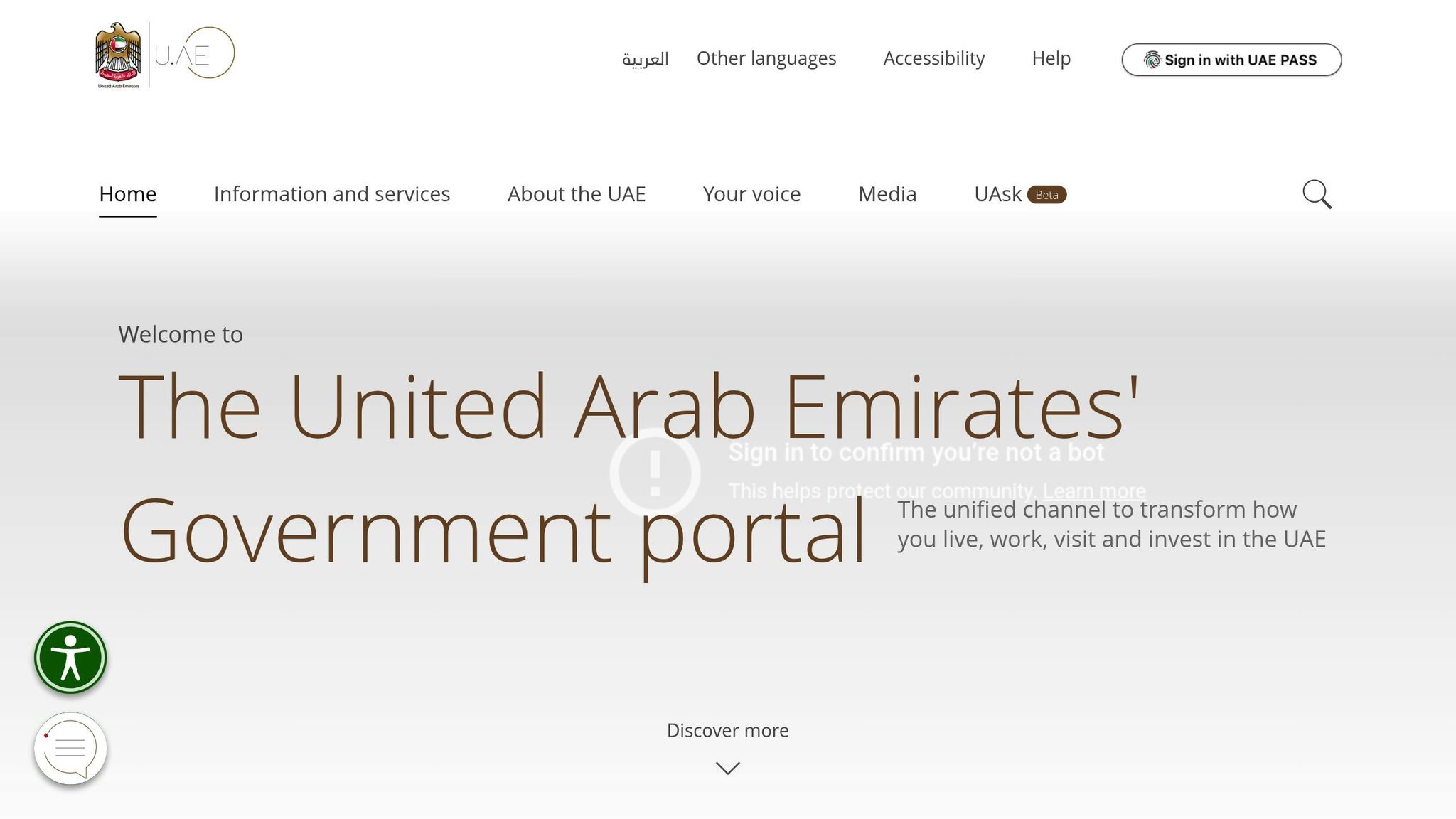
The United Arab Emirates has become a favorite for remote professionals, thanks to its free zones. While the UAE introduced a 9% corporate tax in 2023, qualifying free zone entities can still enjoy tax-free treatment on certain foreign-sourced income.
RAK (Ras Al Khaimah) offers a particularly appealing setup for consultants, holding companies, financial services, and international trading. Businesses here benefit from 100% foreign ownership, no restrictions on currency use, and no limits on bank transfers or deposits. The UAE also protects shareholder and director details in its company register, adding a layer of confidentiality. Incorporation is fast, often taking just one or two working days.
Hong Kong: Excellent Financial Infrastructure and Trade Benefits

Hong Kong stands out for its world-class financial system and global trade connections. Its territorial tax system means you’re only taxed on income earned within Hong Kong. The corporate tax rate is relatively low at 16.5% for profits over HK$2 million, and there’s no tax on dividends, capital gains, or offshore income.
Setting up a company in Hong Kong typically takes about a week, provided all paperwork is in order. The jurisdiction also offers access to top-tier banking services, including multi-currency accounts and international payment networks. However, it’s worth noting that Hong Kong requires public disclosure of shareholders and directors, which might be a downside for those prioritizing privacy. Other benefits include no sales tax and an extensive network of double taxation treaties.
| Jurisdiction | Tax Benefits | Privacy Level | Setup Time | Banking Access |
|---|---|---|---|---|
| Anguilla | No tax on foreign income | High (no public disclosure) | 24 hours | Good |
| UAE Free Zones | Tax-free for qualifying income | Medium (confidential registers) | 1–2 days | Excellent |
| Hong Kong | 16.5% on local income only | Low (public disclosure required) | 1 week | World-class |
This table breaks down the key features of each jurisdiction. Anguilla is perfect for those who need speed and privacy. The UAE offers flexibility and robust banking options, while Hong Kong shines with its financial infrastructure and territorial tax system. Choose the option that aligns best with your business needs and priorities.
sbb-itb-39d39a6
U.S. Tax Rules and Legal Requirements for Offshore Companies
Offshore companies can offer certain tax and asset advantages, but they also come with strict U.S. tax reporting requirements. Navigating these rules properly is crucial to avoid hefty penalties and legal troubles.
FBAR and FATCA Reporting Rules
If you hold foreign accounts or assets, you may need to file FBAR (Foreign Bank Account Report) or FATCA (Foreign Account Tax Compliance Act) reports, depending on the value of your holdings. These filings are mandatory, and non-compliance can lead to substantial penalties.
The FBAR filing requirement kicks in if the total value of your foreign accounts exceeds $10,000 at any time during the calendar year. FBAR must be filed electronically by April 15, with an automatic extension to October 15 available.
For FATCA, the thresholds vary based on your filing status and residence. For single U.S. taxpayers living in the U.S., Form 8938 must be filed if foreign assets exceed $50,000 at year-end or $75,000 at any point. Married couples filing jointly have higher thresholds of $100,000 and $150,000, respectively. If you live abroad, the thresholds increase to $200,000 and $300,000 for singles, and $400,000 and $600,000 for married couples.
| Requirement | FBAR (FinCEN Form 114) | FATCA (Form 8938) |
|---|---|---|
| Filing Threshold | $10,000 total | $50,000–$600,000 (varies by status) |
| Deadline | April 15 (extension to Oct 15) | With annual tax return |
| Reported Items | Foreign bank accounts | All foreign financial assets |
| Penalty for Non-Compliance | Up to $12,921 (non-willful) | Up to $10,000 initially |
| Willful Violation Penalty | Greater of $100,000 or 50% of account balance | Up to $50,000 for continued non-compliance |
Penalties for non-compliance are steep. Non-willful FBAR violations can cost up to $12,921 per incident, while willful violations may result in fines of $100,000 or 50% of the account balance, whichever is greater. FATCA penalties start at $10,000, with additional fines up to $50,000 for continued non-compliance, and a 40% penalty on any tax understatement tied to undisclosed assets.
To stay compliant, keep detailed records – including account names, numbers, bank details, and peak annual values – for at least five years from the FBAR due date.
Controlled Foreign Corporation (CFC) Tax Rules
If your offshore company qualifies as a Controlled Foreign Corporation (CFC), U.S. tax obligations can extend to its profits. A company becomes a CFC when U.S. shareholders collectively own more than 50% of its voting power or stock value, with each shareholder holding at least 10%.
CFC rules require U.S. shareholders to report and pay tax on undistributed earnings annually. The Tax Cuts and Jobs Act introduced GILTI (Global Intangible Low Tax Income) rules, which impose taxes on foreign-source income, particularly from intellectual property or intangible assets. This provision is especially relevant for consultants, coaches, or businesses generating revenue from proprietary courses or software.
To comply, U.S. shareholders must file Form 5471 annually, detailing income and U.S.-invested earnings. Strategies to reduce CFC tax exposure include lowering ownership below 10%, restructuring voting rights, or converting flow-through entities into C corporations. Using a U.S. C corporation as a "blocker" entity can also help minimize tax liability.
Estate Planning with Offshore Entities
Offshore companies can play a role in estate planning by protecting wealth and ensuring smooth transfers to future generations. However, these structures must align with U.S. tax laws to avoid unintended consequences.
While offshore trusts can provide asset protection and flexibility, they require meticulous planning to prevent adverse tax outcomes under U.S. estate and gift tax rules. For example, they can be useful for safeguarding digital assets, intellectual property, and financial investments, but compliance with FATCA and other reporting obligations remains essential.
Professional guidance is critical when integrating offshore entities into your estate plan. The intersection of U.S. tax law, international regulations, and estate planning can be complex, so working with experts ensures your structure is both effective and compliant. Accurate record-keeping and timely filings are key to avoiding penalties and maintaining the benefits of offshore planning.
With an estimated $4 trillion in U.S. wealth held overseas, navigating these complexities is a shared challenge for many. Regular reviews of your offshore structure can help adapt to changing tax laws and personal circumstances, ensuring your plan continues to meet your goals.
Real Examples: How Remote Professionals Use Offshore Companies
Professionals working remotely across different industries have found offshore incorporation to be a valuable tool for reducing taxes, safeguarding assets, and scaling their businesses globally. These examples highlight how the strategies and jurisdictions discussed earlier come to life in practical, tangible ways.
Example: Consultancy Firm Lowers Tax Burden
A management consulting firm in California, earning $500,000 annually, was struggling with a 37% federal tax rate plus state taxes. The founder decided to incorporate an International Business Company (IBC) in Anguilla and restructured the firm’s operations to invoice clients through this offshore entity. By relocating to Portugal and taking advantage of the Non-Habitual Resident program, the consultant brought their effective tax rate down to 10% on foreign-sourced income. On top of that, the offshore setup allowed the firm to invoice European clients in multiple currencies, saving $8,000 a year in foreign exchange fees.
Example: Coaching Business Thrives in UAE Free Zone
A life coach earning $300,000 annually from online courses and personal coaching sessions set up a company in Dubai‘s RAK Free Zone. This move eliminated corporate taxes on foreign income and provided access to high-quality banking services across Europe and the Middle East. The coach also gained the ability to process payments in different currencies without restrictions, which smoothed operations and opened doors to the Gulf market. While the setup costs were $4,500, the tax savings in the first year alone topped $75,000, making the investment well worth it.
Example: Tech Trainer Secures IP and Royalties
A cybersecurity trainer making $400,000 annually from training materials and software licensing transferred their intellectual property (IP) to a British Virgin Islands company. This approach not only protected the IP from personal liability but also created a licensing structure that lowered U.S. tax obligations on royalty income. When faced with a lawsuit from a former client over training content, the offshore entity’s asset protection measures kept the trainer’s personal assets out of reach. Now, the trainer licenses their content back to their U.S.-based business, achieving both tax advantages and added legal protection.
Getting Started with Your Offshore Company
Launching an offshore company takes careful planning and guidance to ensure you achieve tax benefits and protect your assets. Here’s a straightforward roadmap to help you get started.
Clarify Your Objectives
Start by defining what you want to accomplish. Are you aiming for lower taxes, safeguarding your assets, or creating more operational flexibility? Knowing your goals will guide you in picking the right jurisdiction and company structure that aligns with your needs.
Understand the Costs
Before diving in, get a clear picture of the costs involved. Setting up a company can cost anywhere from $1,000 to over $5,000. Bank account setup fees range from free to around $1,500, and annual maintenance fees typically fall between $500 and $2,000. While these expenses can add up, smart tax planning can help you recover them quickly.
Once you’ve set your budget, the next step is finding the right professionals to assist you.
Hire Experienced Professionals
Offshore incorporation requires more than just filing paperwork. You’ll need to choose a unique company name, complete Know Your Customer (KYC) requirements, and submit the necessary documents to the correct Company Registry. A trusted incorporation service can handle these tasks efficiently, reducing errors and saving you time. Their expertise ensures that every detail – both during and after incorporation – is managed correctly.
Organize Your Documentation
Prepare all the required documents in advance, including certified IDs, proof of address, and a business plan, to meet KYC standards. If you need more specifics, refer to earlier sections on document preparation.
Stay Compliant
Setting up your company is just the first step. Staying compliant is an ongoing responsibility. Keep accurate records and follow both offshore and U.S. regulations, such as FBAR, FATCA, and CFC rules. Regularly review compliance requirements to avoid any legal or financial pitfalls.
FAQs
What compliance requirements do U.S. citizens need to follow when setting up an offshore company?
U.S. citizens setting up offshore entities must follow strict compliance rules to steer clear of penalties. For starters, if you hold foreign bank accounts or financial assets exceeding $10,000 in a year, you’re required to report them through the FBAR (FinCEN Form 114). On top of that, if your foreign assets go beyond certain limits – $50,000 for single filers living in the U.S. or $200,000 for those residing abroad – you must file IRS Form 8938.
If you have ownership or control over a foreign corporation, filing Form 5471 is a must. Additionally, the Foreign Account Tax Compliance Act (FATCA) mandates reporting of foreign financial accounts and assets. It’s also crucial to keep detailed records of all foreign financial transactions and to comply with the laws of the country where your offshore entity is based.
By meeting these obligations, you can take advantage of offshore incorporation without running into legal or financial troubles.
What should remote consultants and coaches consider when choosing an offshore jurisdiction for their business?
When choosing an offshore jurisdiction, remote consultants and coaches should weigh a few critical factors to find the right match for their business needs. One of the most important considerations is tax advantages. Jurisdictions like the Cayman Islands and the British Virgin Islands are popular because they offer zero or very low corporate tax rates, helping to ease financial burdens.
Another key factor is the simplicity of incorporation and compliance. Places like Hong Kong and Singapore stand out for their efficient setup processes, business-friendly regulations, and strong legal frameworks. These qualities make it easier to establish and manage a business without unnecessary complications.
Lastly, it’s crucial to evaluate the political stability and global reputation of the jurisdiction. A stable environment and a respected standing can provide peace of mind and help your business maintain credibility over time.
By taking these aspects into account, remote professionals can select a jurisdiction that aligns with their business goals while offering both flexibility and financial perks.
What challenges should remote consultants and coaches consider when setting up an offshore company?
Setting up an offshore company can open up a world of opportunities, but it’s not without its challenges. One major factor to consider is compliance requirements. Dealing with different legal systems and tax regulations can be tricky, often requiring the expertise of professionals who understand the nuances of international laws.
There are also ongoing costs to keep in mind. Expenses like registration fees, legal consultations, and annual maintenance can pile up over time, so it’s essential to budget for these recurring charges.
Another potential issue is reputation risk. Offshore companies sometimes face unfair stereotypes, with some associating them with tax evasion or questionable practices. To counter this, maintaining full transparency and adhering to all legal requirements is key to protecting your business’s image.
Lastly, communication barriers can pose challenges. Time zone differences or language issues might complicate interactions with service providers or local authorities. Being aware of these hurdles ahead of time allows you to plan better and ensures smoother coordination.
