
Multi-jurisdictional offshore structuring is a strategy that leverages the legal, tax, and financial advantages of multiple countries to manage wealth, protect assets, and reduce taxes. By using various jurisdictions like the Cayman Islands, British Virgin Islands (BVI), Singapore, Nevis, and Seychelles, global entrepreneurs can spread risks, safeguard privacy, and optimize tax savings. Here’s a quick summary of the key points:
- Cayman Islands: Tax-neutral with no corporate or capital gains taxes, strong asset protection laws, and privacy safeguards. It’s a top choice for holding companies and investment funds.
- BVI: Offers tax neutrality, robust asset protection through trusts, and privacy protections. It’s cost-effective and widely used for holding companies.
- Singapore: Combines a 17% corporate tax rate with access to 80+ tax treaties, strong legal protections, and a reliable regulatory framework. Ideal for businesses requiring operational substance.
- Nevis: Known for its creditor-resistant trust laws, privacy measures, and zero local taxes on foreign income. It’s a top pick for asset protection.
- Seychelles: Provides tax exemptions for offshore income, affordable setup costs, and confidentiality through limited public disclosure.
Quick Comparison
| Jurisdiction | Tax Benefits | Asset Protection | Privacy | Compliance Requirements | Risk Level |
|---|---|---|---|---|---|
| Cayman Islands | No corporate or capital gains taxes | Strong trust laws | Limited public disclosure | High (substance requirements) | Low (politically stable) |
| BVI | Full tax neutrality | VISTA trust regime | Non-public ownership records | Moderate | Low |
| Singapore | 17% corporate tax, tax treaties | Strong legal framework | Transparent but private | High | Very low |
| Nevis | No local taxes on foreign income | Creditor-resistant trust laws | Limited disclosure | Moderate | Moderate |
| Seychelles | No tax on offshore income | Nominee services for protection | Limited public access | Low | Moderate |
Each jurisdiction offers unique strengths, making them suitable for different goals. However, compliance with international regulations, such as economic substance laws and transparency standards, is increasingly critical. Proper planning and professional guidance are essential to ensure these structures remain effective and legal.
1. Cayman Islands
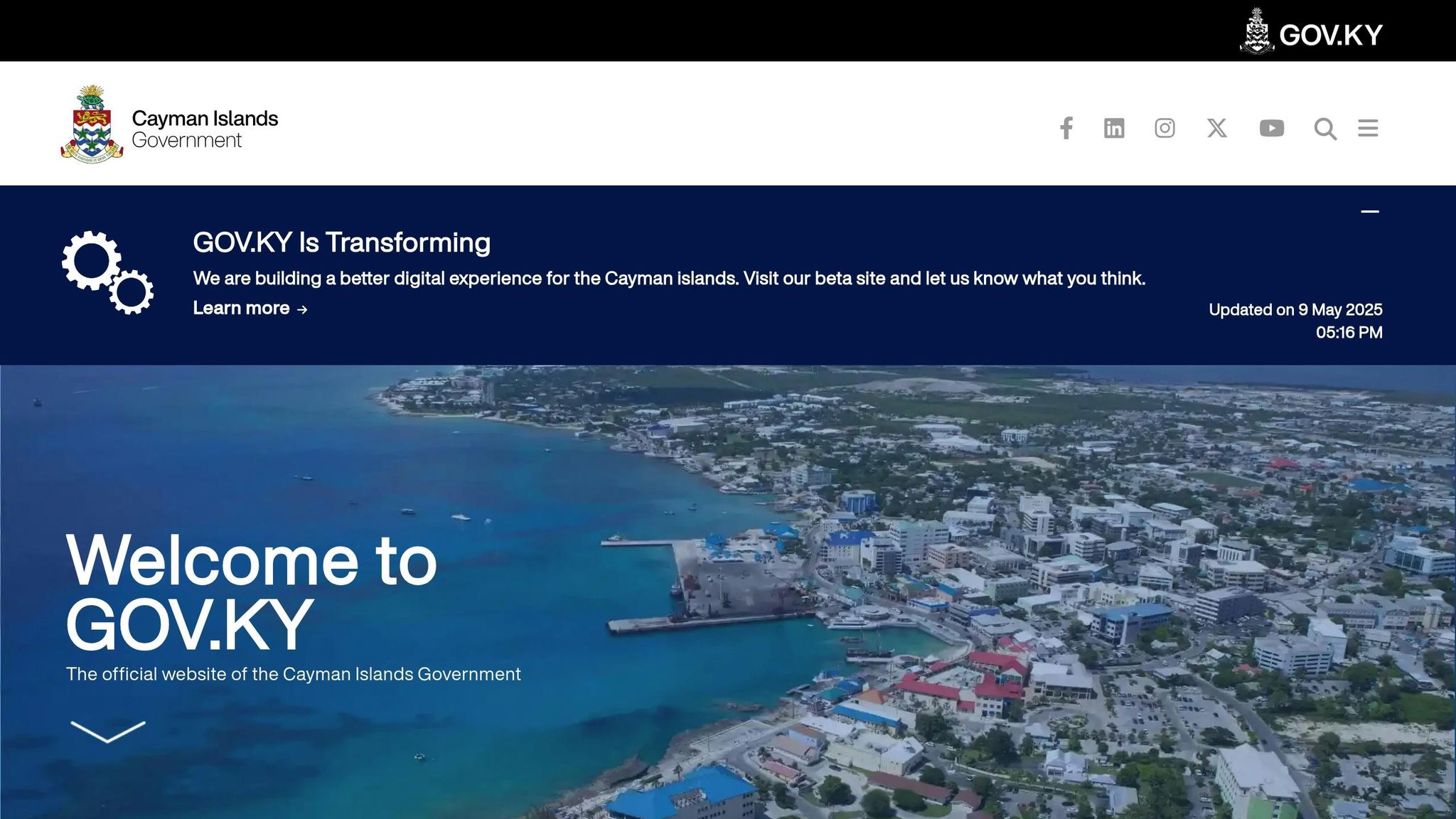
The Cayman Islands has established itself as a leading offshore hub for multi-jurisdictional structuring. With over 11,000 funds and a staggering $4 trillion in assets under management (AUM) as of 2023, it’s a go-to destination for international investment funds, holding companies, and multinational enterprises seeking a reliable offshore base.
Tax Optimization
One of the Cayman Islands’ biggest draws is its complete tax neutrality. Companies registered here enjoy no direct taxes on income, capital gains, or corporate profits. This means investors can retain more of their earnings compared to onshore alternatives.
Additionally, there are no withholding taxes on dividends, interest, or royalties paid to non-residents. This makes the Cayman Islands particularly appealing for structuring cross-border investments or holding intellectual property within a global framework.
Asset Protection
The Cayman Islands is known for its strong asset protection laws, which are supported by exempted companies and trust structures. These legal tools are designed to shield assets from foreign judgments, creditors, and forced-heirship claims.
Cayman courts have a reputation for prioritizing the protection of local structures. They are generally hesitant to overturn Cayman trusts in favor of foreign claimants, creating a robust legal barrier for safeguarding family wealth and business assets. This makes the jurisdiction especially attractive to high-net-worth individuals looking to preserve generational wealth.
Risk Diversification
Incorporating Cayman Islands entities into a broader multi-jurisdictional strategy allows investors to spread political, economic, and legal risks beyond their home countries. The jurisdiction’s stable political environment, adherence to English common law, and lack of exchange controls make it a secure choice for diversifying risks across regions.
A popular approach involves setting up a Cayman Islands holding company that oversees subsidiaries in other jurisdictions like the British Virgin Islands or Singapore. Each entity is tailored to serve specific operational or investment needs.
Privacy Protections
The Cayman Islands offers a high degree of privacy, with limited public disclosure of beneficial ownership. Information about directors and shareholders is not publicly available, though it is shared with local authorities when necessary.
Despite increased global transparency requirements through initiatives like the OECD’s Common Reporting Standard, the Cayman Islands maintains a balance between compliance and confidentiality. This makes it an attractive option for individuals concerned about both personal security and business discretion.
Compliance
Modern Cayman structures must meet stricter compliance and substance requirements. Companies benefiting from the jurisdiction’s tax-neutral status are required to demonstrate genuine economic activity, which may include having local directors, offices, or employees.
The Cayman Islands has strengthened its regulatory framework to align with international standards, including AML regulations and the CRS. Falling short of these obligations can lead to penalties, loss of tax advantages, or reputational harm. Legal experts stress that the integrity of Cayman structures hinges on transparent operations, demonstrable substance, and adherence to global compliance norms.
Ranked among the top five global offshore financial centers by the Global Financial Centres Index, the Cayman Islands continues to stand out for its well-regulated environment and professional services sector. This solid foundation ensures its ongoing role as a key player in multi-jurisdictional strategies.
2. British Virgin Islands
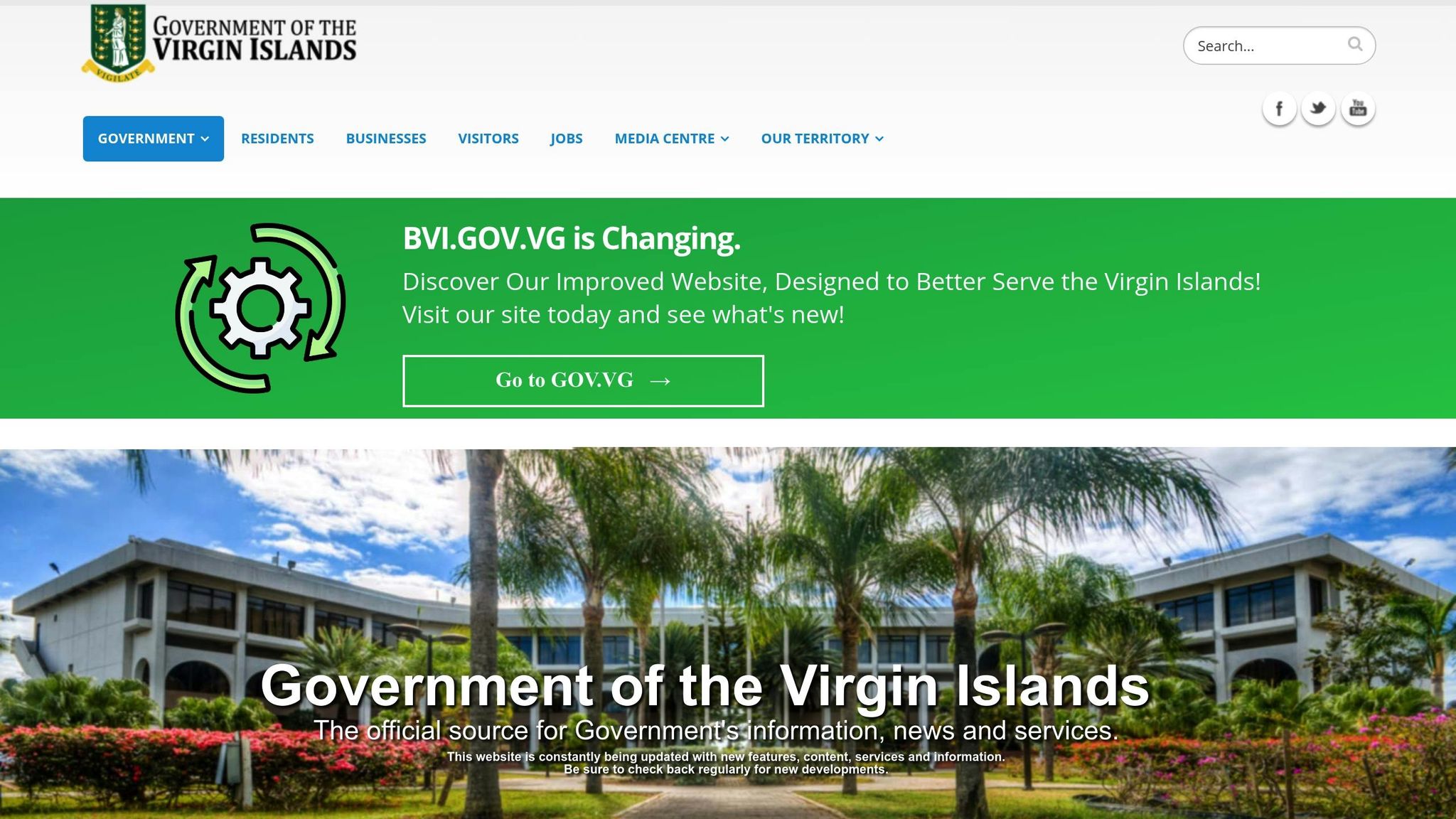
The British Virgin Islands (BVI) is one of the most established offshore financial hubs globally, hosting over 370,000 active business companies as of 2023. With these companies facilitating more than $1.5 trillion in cross-border investment flows, the BVI has become a key player in multi-jurisdictional structuring strategies. Like the Cayman Islands, the BVI is instrumental in managing risk and optimizing tax efficiency in complex international setups.
Tax Optimization
BVI Business Companies enjoy full tax neutrality – there are no corporate, capital gains, inheritance, or wealth taxes. This allows profits to accumulate and be reinvested without local tax implications, making the jurisdiction particularly appealing for holding companies and investment vehicles.
Additionally, the BVI does not impose withholding taxes, enabling seamless cross-border capital transfers. This is especially advantageous for entrepreneurs and investors who need to move funds across borders without unnecessary tax burdens.
That said, U.S. persons should note that BVI tax benefits do not exempt them from U.S. tax obligations. Income and assets must still be reported to the IRS, and compliance with the Foreign Account Tax Compliance Act (FATCA) is mandatory.
Asset Protection
The BVI’s legal framework is designed to provide strong asset protection. Its laws ensure a clear separation between asset ownership and control, making it difficult for foreign creditors to access assets held in the jurisdiction.
A standout feature is the VISTA trust regime, which is specifically tailored to protect the intentions of settlors and shield assets from external claims. However, these trusts must not be set up with the intention of defrauding current creditors. The BVI’s courts, based on English common law, offer predictable and reliable legal protection for such structures.
A common strategy involves layering BVI entities with structures in other jurisdictions. For instance, a BVI holding company might oversee subsidiaries in locations like the Seychelles or Nevis, while intellectual property is held in a separate Cayman Islands entity. This layered approach creates multiple legal barriers that make it harder for creditors to access assets.
Risk Diversification
BVI entities play a crucial role in spreading political, economic, and legal risks as part of a multi-jurisdictional strategy. By diversifying assets across jurisdictions, businesses can shield themselves from localized risks such as regulatory changes, economic downturns, or political instability.
For example, a U.S.-based entrepreneur might use a BVI company to hold shares in a Singapore operating firm. This setup separates asset ownership, management, and banking functions across multiple jurisdictions, enhancing legal and tax efficiency while reducing concentration risk.
The BVI’s stable political environment further enhances its appeal. Unlike some offshore jurisdictions prone to political instability, the BVI offers consistent governance and legal frameworks that investors can trust.
Privacy Protections
The BVI offers strong privacy safeguards through non-public registers of shareholders and directors. While authorities can access beneficial ownership information when required, this data is not publicly disclosed, ensuring a layer of confidentiality for businesses and individuals concerned about security and discretion.
Despite increasing global scrutiny through initiatives like the OECD’s Common Reporting Standard, the BVI has managed to balance privacy with international transparency standards. This makes it a preferred choice for high-net-worth individuals seeking both privacy and compliance.
Compliance
BVI entities must navigate evolving compliance requirements. The BVI Business Companies Act serves as the legal foundation, but companies are also subject to economic substance rules and anti-money laundering regulations.
To remain compliant, companies must maintain accurate records, file annual returns, and demonstrate genuine business activity when required by substance laws. Adherence to global standards, such as the OECD’s Common Reporting Standard and Financial Action Task Force recommendations, is essential to avoid penalties or reputational harm.
The compliance burden in the BVI is moderate compared to other offshore jurisdictions. Clear guidelines for record-keeping and reporting help maintain the jurisdiction’s appeal while ensuring legitimacy in international business planning. Partnering with advisors experienced in BVI law and global compliance can help businesses structure their entities effectively and meet ongoing obligations.
Next, we’ll explore how the BVI’s advantages complement other jurisdictions in multi-layered strategies.
3. Singapore
Singapore stands out as a top-tier jurisdiction for multi-jurisdictional offshore structuring, offering a mix of tax advantages and regulatory reliability. While it shares some benefits with places like the Cayman Islands and the BVI, Singapore strikes a unique balance. It isn’t just a tax haven; businesses are required to maintain genuine operational substance. This approach, combined with its global reputation, has made Singapore a magnet for international entrepreneurs and investors. As of 2020, it ranked #2 in the World Bank‘s Ease of Doing Business Index, underscoring its business-friendly environment.
Tax Optimization
Singapore offers a corporate tax rate of 17%, along with access to over 80 double tax treaties, making it a hub for efficient cross-border transactions. These treaties help eliminate double taxation, while specific exemptions for foreign-sourced income – such as qualifying dividends, branch profits, and service income – further enhance its appeal. Add to that the absence of capital gains tax and various incentives, and Singapore becomes a prime choice for investment holding companies and structures aimed at asset appreciation.
For U.S. individuals and businesses, these advantages must be weighed against U.S. tax obligations. However, Singapore’s treaty with the United States and its emphasis on regulatory compliance ensure that structures remain defensible under U.S. scrutiny.
Asset Protection
Singapore’s common law system offers dependable asset protection for international structures. Its courts are known for enforcing contractual rights and safeguarding property, while its trust and holding company frameworks can be tailored to shield assets from foreign judgments and creditors. With a strong rule of law and a consistently enforced regulatory framework, Singapore provides an added layer of security. As a result, high-net-worth individuals and family offices often establish structures in Singapore to achieve both tax efficiency and asset protection.
Risk Diversification
Singapore’s political stability and robust financial system make it an excellent choice for diversifying risks associated with operations and investments. Its strategic location in Asia gives businesses access to regional markets while minimizing exposure to localized economic or political volatility. By integrating Singapore into a multi-jurisdictional structure – possibly alongside entities in other regions – companies can hedge against instability and strengthen their risk management strategies. Additionally, Singapore’s advanced banking system, capital markets, and professional services infrastructure enhance operational resilience, while its regulatory consistency reduces the likelihood of sudden changes disrupting established structures.
Privacy Protections
Singapore offers strong corporate confidentiality while adhering to international transparency standards. Beneficial ownership details remain private, ensuring discretion for legitimate business structures. Although Singapore complies with global initiatives like the OECD’s Common Reporting Standard, it does so within a framework of stringent data protection laws. This approach makes it an attractive option for private wealth arrangements where privacy is crucial.
Compliance
Singapore’s regulatory environment is transparent and straightforward, but businesses must meet substance requirements to benefit from its advantages. Companies are required to maintain accurate accounting records, file annual returns, and demonstrate genuine operational activity. This might include appointing local directors and maintaining a physical office presence. Regularly updated regulations and adherence to international standards ensure that Singapore remains a trusted jurisdiction. Many businesses use Singapore as a regional headquarters or holding company, complementing the strengths of other jurisdictions in their overall strategy.
4. Nevis
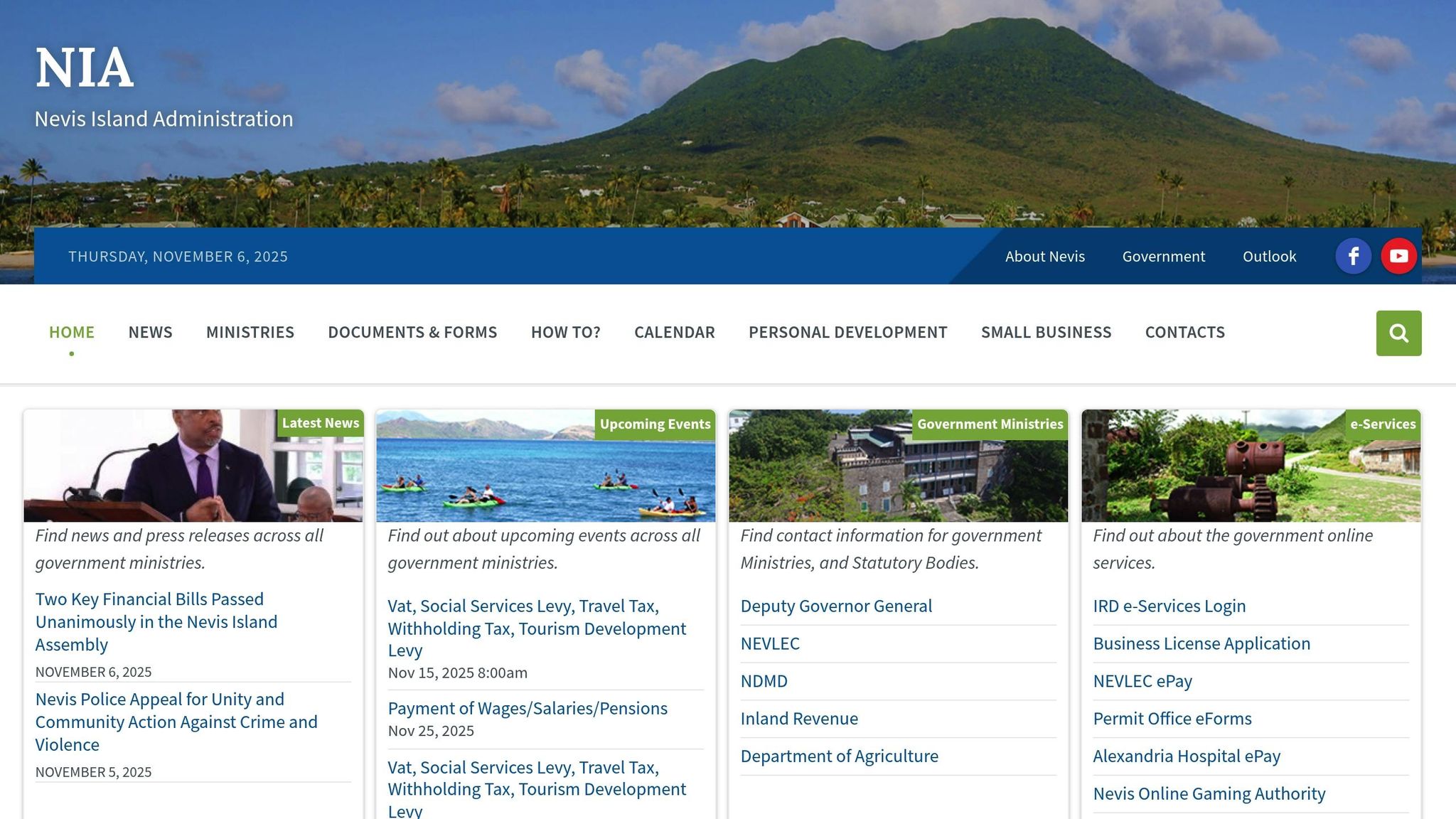
Nevis stands out as a go-to destination in the offshore world, offering robust options for asset protection and privacy-focused structures. This small Caribbean island has gained recognition for its strong legal defenses against creditors, making it a popular choice for U.S. entrepreneurs and high-net-worth individuals looking to safeguard their wealth. Its legal tools, such as LLCs and International Trusts, are particularly well-regarded for their effectiveness.
Asset Protection
Nevis has built a reputation for being a tough jurisdiction for creditors to navigate. It doesn’t recognize foreign judgments, requires a hefty $100,000 bond to initiate legal action, and enforces a strict two-year window for fraudulent transfer claims. Creditors must start fresh under Nevis law, a process that’s both expensive and time-consuming. These measures create a formidable barrier, effectively discouraging most creditors. When combined with Nevis’s tax advantages, the asset protection features become even more appealing.
Tax Optimization
One of Nevis’s standout features is its zero local income, capital gains, and inheritance taxes on offshore entities. While U.S. taxpayers are still obligated to follow IRS rules, the absence of local taxes in Nevis opens doors for efficient tax planning. When incorporated into broader international strategies, Nevis structures can help defer or reduce certain tax liabilities, all while remaining within the bounds of legal compliance.
Privacy Protections
Nevis takes privacy seriously. The jurisdiction limits information disclosure to foreign authorities unless a local court order is obtained. It also offers nominee services to keep ownership details private. Unlike many other jurisdictions, Nevis doesn’t require public disclosure of beneficial owners, directors, or shareholders for companies and trusts. Local laws further bolster confidentiality by restricting unauthorized information sharing.
Risk Diversification
Using Nevis as part of a multi-jurisdictional strategy is an excellent way to diversify risk. If assets in one country become vulnerable due to political instability, economic turmoil, or legal changes, Nevis’s independent legal framework can act as a safety net. By spreading assets across different regulatory environments, you reduce exposure to localized risks and enhance overall security. This approach works best when paired with strict adherence to regulatory standards.
Compliance
While Nevis offers many advantages, compliance is non-negotiable. Entities must adhere to international standards, including anti-money laundering regulations and the OECD’s Common Reporting Standard (CRS). U.S. persons are also required to meet additional reporting obligations, such as filing FBAR, Form 5471, or Form 3520, when applicable. Costs for forming a Nevis LLC typically range from $1,500 to $2,500, with annual fees between $800 and $1,200. Setting up an International Trust can cost between $3,000 and $5,000.
To fully leverage what Nevis has to offer, proper structuring and strict compliance are key. Global Wealth Protection provides services to ensure all regulatory requirements are met while maximizing Nevis’s strengths in asset protection and privacy.
sbb-itb-39d39a6
5. Seychelles
Seychelles is a popular choice for offshore structuring, offering cost-effective and flexible options. Located in the Indian Ocean, this jurisdiction is known for its International Business Companies (IBCs), which are versatile entities suited for holding assets, trading, and investment purposes. Its appeal comes from a mix of tax advantages, competitive costs, and a legal framework that supports flexibility. Let’s break down how Seychelles supports these strategies.
Tax Optimization
One of Seychelles’ standout features is its zero corporate tax policy for IBCs on income earned outside the country. Additionally, there are no capital gains, inheritance, or withholding taxes on offshore income. This setup allows businesses to enjoy full tax exemption on qualifying income, with annual fees typically under $350 and formation costs ranging from $500 to $1,200. Seychelles also complies with OECD’s Common Reporting Standard (CRS), ensuring global transparency standards are met. However, U.S. taxpayers must still meet their IRS obligations.
Asset Protection
Seychelles offers strong asset protection measures. Through legal separation and nominee services, it creates significant barriers for foreign creditors. By using nominee directors and shareholders, the jurisdiction provides an additional layer of protection, distancing the ultimate beneficial owners from direct association with the assets.
Privacy Protections
Privacy is another key advantage of Seychelles. The jurisdiction ensures limited public access to information about the beneficial owners of IBCs. Nominee services further protect the identities of owners, offering a shield of confidentiality. At the same time, Seychelles aligns with international anti-money laundering standards and automatic information exchange protocols to maintain compliance with global regulations.
Risk Diversification
Seychelles plays a critical role in risk diversification strategies. By incorporating in this jurisdiction, businesses can spread risk across different legal and economic environments, reducing exposure to instability in any single location. A common approach involves setting up a holding company in Seychelles to manage subsidiaries in other countries, effectively spreading operational and financial risks across multiple entities.
Compliance
While Seychelles offers many benefits, it also requires strict compliance with international standards. Companies must adhere to the OECD’s CRS and FATF Recommendations, maintain accurate records of beneficial ownership, and demonstrate economic substance where applicable. Annual filings, proper accounting, and adherence to anti-money laundering regulations are mandatory. Non-compliance can lead to regulatory penalties or reputational harm. Seychelles’ commitment to these standards ensures it remains a reliable part of multi-jurisdictional strategies.
For entrepreneurs and investors, Seychelles provides a range of opportunities for offshore structuring. Services like company formation and ongoing compliance management ensure businesses can take full advantage of what this jurisdiction has to offer. Global Wealth Protection specializes in helping clients navigate these processes, enabling them to maximize the benefits of Seychelles as part of their broader strategies.
Advantages and Disadvantages
Multi-jurisdictional offshore structuring offers clear benefits in areas like tax savings, asset security, and risk diversification. However, it also comes with notable compliance challenges and operational complexities. By understanding how different jurisdictions perform across key factors, entrepreneurs and investors can make better decisions about their international strategies.
| Jurisdiction | Tax Efficiency | Asset Protection | Privacy Protection | Compliance Burden | Political/Economic Risk |
|---|---|---|---|---|---|
| Cayman Islands | Excellent – No corporate income tax, capital gains tax, or withholding taxes on cross-border dividends | Excellent – Strong asset protection through trust laws that limit creditors’ access | Good – Greater privacy than onshore jurisdictions, though CRS compliance is mandatory | High – Strict regulatory framework with substance requirements | Low – Politically stable with a well-established legal system |
| British Virgin Islands | Excellent – No corporate income tax under the BVI Business Companies Act | Excellent – Strong legal separation via corporate and trust structures | Good – Historically private but now aligned with CRS compliance | Moderate – Solid compliance framework in place | Low – Stable with a mature regulatory setup |
| Singapore | Very Good – Territorial tax system with foreign income often untaxed and extensive double-tax treaties | Very Good – Globally recognized for strong legal frameworks protecting assets | Moderate – Transparent regulations favoring legitimacy over secrecy | High – Higher compliance costs due to rigorous oversight | Very Low – Highly stable with a strong business environment |
| Nevis | Excellent – No income tax on foreign-sourced income | Excellent – Creditor-resistant trust structures provide robust protection | Good – Enhanced privacy even under CRS rules | Moderate – Compliance requirements are well established | Moderate – Small economy with some inherent risks |
| Seychelles | Excellent – No corporate tax for IBCs on offshore income | Good – Asset protection through IBC frameworks, often supported by nominee services | Good – Limited public access to ownership details | Low – Affordable compliance with minimal annual fees | Moderate – Challenges typical of a developing economy |
This comparison highlights the balance of benefits and challenges when considering multi-jurisdictional strategies.
Key Advantages Across Jurisdictions
One major advantage is the ability to spread assets across multiple legal and economic environments, reducing the risk of over-concentration in one location. Tax efficiency also stands out, with some jurisdictions offering complete tax neutrality, while others, like Singapore, provide added benefits through tax treaties. Asset protection is another critical benefit – legal separation across jurisdictions ensures that protections in one country remain secure even if challenged elsewhere.
Significant Disadvantages and Risks
While the advantages are clear, there are also significant downsides to consider.
Political and Economic Instability: Long-term risks can arise from changes in political or economic conditions, which may undermine the benefits of certain jurisdictions.
Increasing Compliance Burdens: International standards like the OECD BEPS guidelines have made compliance more complex. Offshore structures now need to demonstrate real economic activity – not just paper registrations. This includes actual operations, decision-making authority, and a meaningful business presence, all of which raise costs and administrative demands.
Reduced Privacy: Global reporting standards, such as the CRS, have diminished traditional privacy benefits by requiring automatic sharing of financial account information among tax authorities. Modern structures must carefully balance confidentiality with compliance.
Cost Considerations: Managing entities across multiple jurisdictions can be expensive. Accounting, legal fees, and administrative costs add up, and integrating offshore and onshore entities requires a deep understanding of different legal systems to avoid costly mistakes.
Operational Substance vs. Formal Registration
One of the biggest challenges today is the growing demand for operational substance. Tax authorities now scrutinize whether management decisions are genuinely made in the stated jurisdiction, whether banking practices align with declared ownership, and whether each entity operates independently. Failing to meet these substance requirements can lead to tax authorities invalidating the structure, negating its intended benefits.
To maintain the advantages of tax efficiency and asset protection, ensuring operational substance is no longer optional – it’s essential. This shift means that successful multi-jurisdictional structures require ongoing professional oversight. For entrepreneurs and investors who operate across borders, the trade-offs between benefits and complexity need careful consideration. Firms like Global Wealth Protection help clients navigate these challenges, ensuring their structures comply with current regulations and adapt to evolving global standards.
Conclusion
Structuring businesses across multiple jurisdictions offers significant advantages, but it requires careful planning and diligent oversight. Looking at jurisdictions like the Cayman Islands, BVI, Singapore, Nevis, and Seychelles, it’s clear that each brings something unique to the table. Whether it’s Singapore’s stable regulatory framework and access to global banking, Nevis’s strong asset protection laws, or the Cayman Islands’ tax-neutral environment, the choice of jurisdiction should align closely with your business goals.
The secret to making this work lies in choosing jurisdictions that match your specific needs. For example, businesses aiming for tax efficiency and asset protection should focus on regions with favorable tax policies and strong legal frameworks. Meanwhile, clients prioritizing privacy should consider jurisdictions that balance confidentiality with international compliance standards.
"I’ve helped thousands of entrepreneurs protect their assets from frivolous litigation, cut their taxes by 50-100%, create structures for wealth perpetuation, and properly structure their company for simplicity and tax optimization."
– Bobby Casey, Founder of Global Wealth Protection
Once you’ve selected the right jurisdictions, the next step is ensuring the structure is solid and compliant. In today’s regulatory climate, demonstrating operational substance is critical. Tax authorities are increasingly scrutinizing whether decisions are genuinely made in the stated jurisdiction and whether each entity shows real business activity. To avoid challenges, your structure must clearly align ownership, control, and management.
The push for transparency is growing, with OECD guidelines and international reporting standards tightening the rules. This means multi-jurisdictional structures need ongoing professional oversight to adapt to these evolving requirements while preserving their benefits.
Ultimately, success depends on thorough due diligence and expert guidance. When done right, these strategies can lead to substantial tax savings – sometimes cutting tax burdens by 50-100% – while also enhancing asset protection and privacy. Though complex, with proper planning and professional support, multi-jurisdictional structuring remains a powerful tool for achieving tax efficiency, safeguarding assets, and maintaining privacy in today’s interconnected global economy. This approach ensures a strong foundation for protecting wealth on an international scale.
FAQs
What should I consider when selecting a jurisdiction for offshore structuring?
When deciding on a jurisdiction for offshore structuring, it’s essential to weigh several factors to ensure it supports your financial and business goals. One of the first things to examine is tax policies – identify jurisdictions with tax rates or exemptions that align with your objectives. Another key factor is legal and regulatory stability, as a reliable framework can offer better protection for your assets.
You should also look into the jurisdiction’s privacy laws to safeguard your financial information. The ease of business setup and maintenance is equally important, including associated costs and administrative requirements. Finally, evaluate whether the jurisdiction has strong international agreements or treaties. These can provide advantages like avoiding double taxation or simplifying global transactions.
What is ‘operational substance,’ and how does it impact the benefits of multi-jurisdictional offshore structuring?
Operational substance is all about the real, on-the-ground business activities, physical presence, and management functions a company has in a particular location. It’s a key factor when evaluating the effectiveness of offshore structures that span multiple jurisdictions.
When a business establishes operational substance, it shows that it’s engaged in genuine economic activity within its chosen jurisdiction. This is crucial for staying compliant with international tax laws and avoiding the label of a "shell company." Beyond ensuring regulatory compliance, having operational substance strengthens tax strategies, boosts credibility, and supports the stability of global operations over the long term.
What compliance issues should businesses consider when using multi-jurisdictional offshore structures?
Businesses involved in multi-jurisdictional offshore structuring need to tread carefully to meet compliance standards and avoid potential legal or financial pitfalls. A few key areas demand attention: tax reporting obligations across all relevant jurisdictions, maintaining transparency with both local and international authorities, and adhering to anti-money laundering (AML) and know-your-customer (KYC) regulations.
It’s also crucial to keep up with evolving international tax laws, including initiatives like those from the OECD, which could influence offshore strategies. Partnering with skilled professionals can help ensure compliance while still achieving goals like tax optimization and asset protection.
